Phone‑free schools, bell to bell.
Lockable phone pouches for primary and secondary schools in the UK and Canada. Phones locked all day, still in the pupil's own bag.

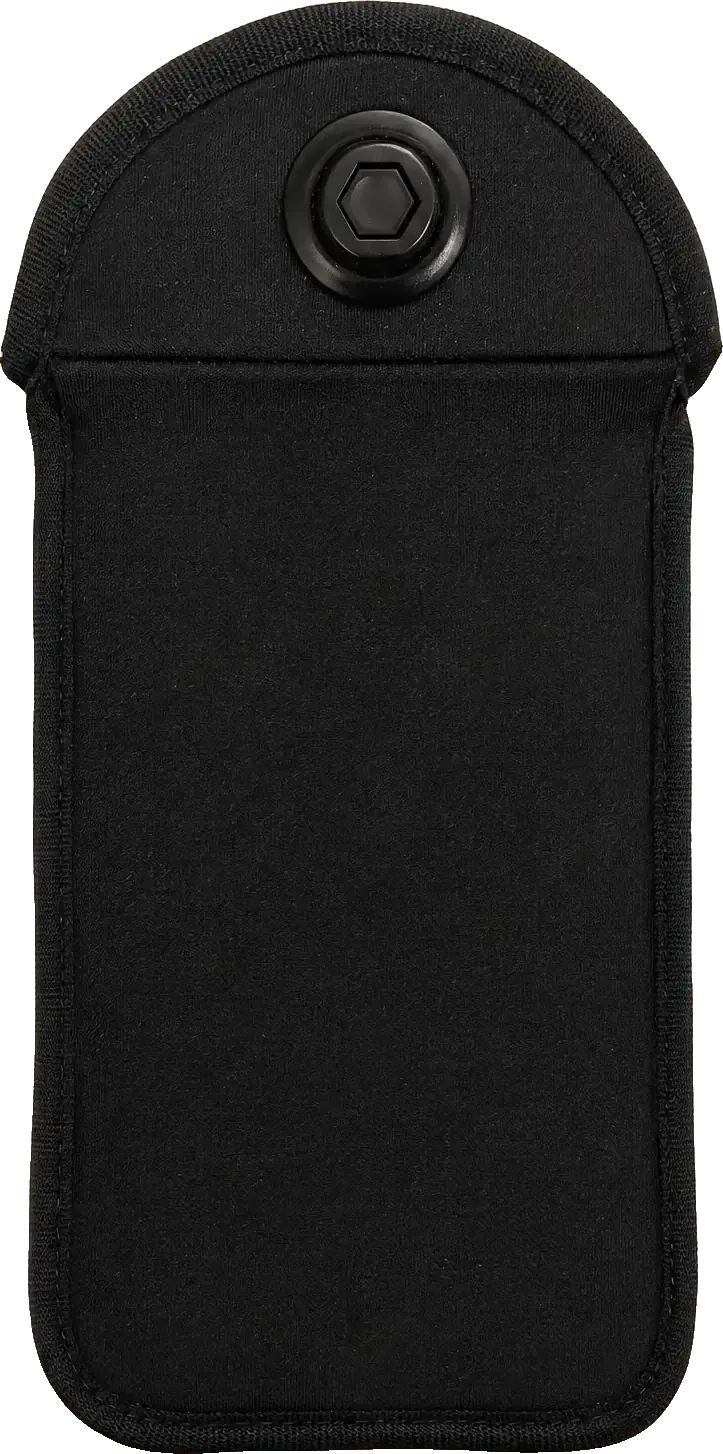
 England schools · End of year sale
20%Off School Purchase Orders
For schools in England. Get compliant for 2027, by 2026: place your order before 15 December.
Ends 15 December
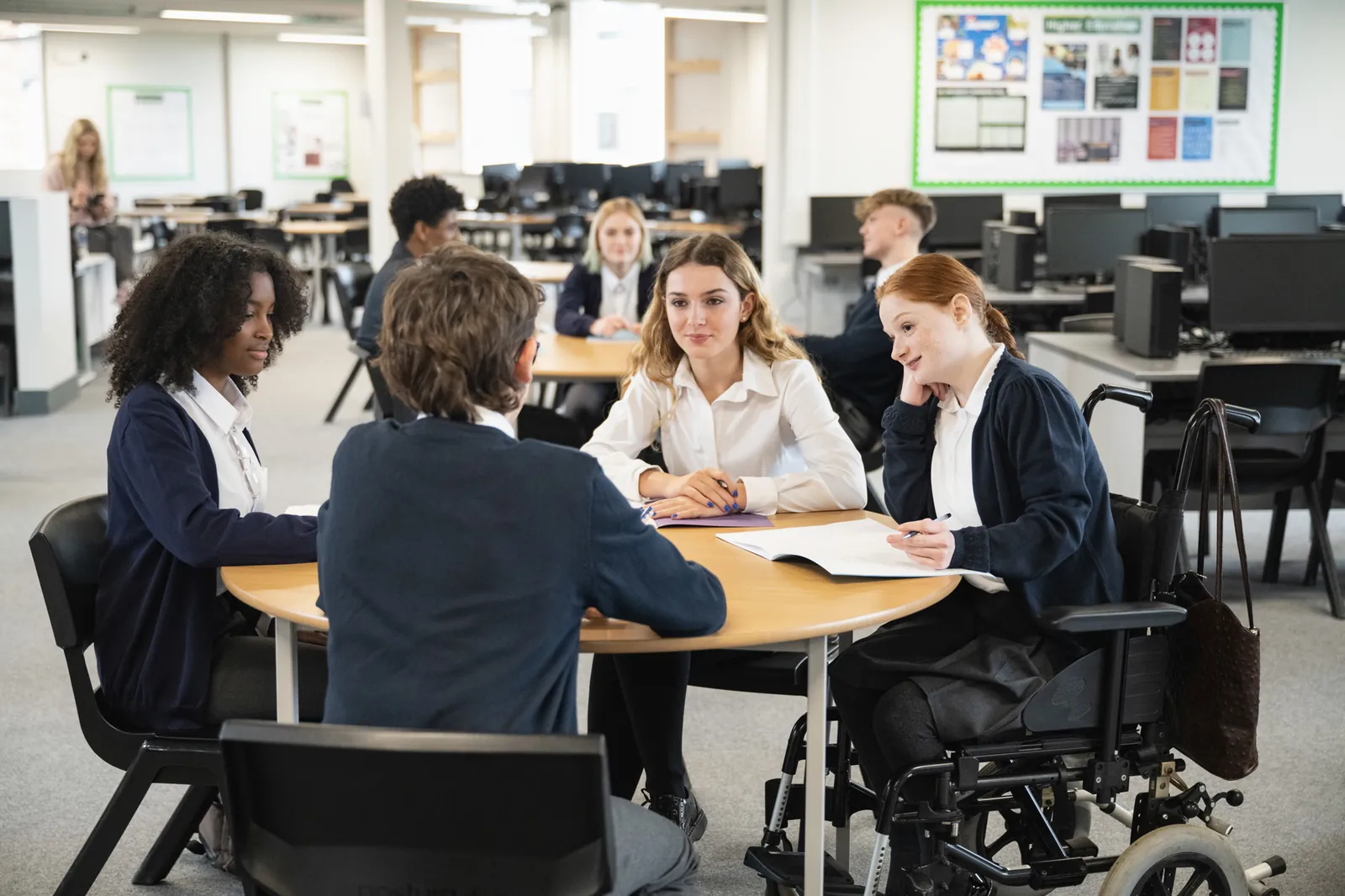
Where schools went phone‑free.
The results are in from schools that locked phones away.
 South Australia−63%
critical incidents involving social media. Violent incidents down 10%.
SA Dept for Education 2024 The Netherlands75%
of 317 secondary schools saw better concentration. 59% a better social climate.
Kohnstamm/Oberon 2025 NorwayLess bullying
for girls and boys. Girls’ grades rose and their mental health visits fell.
Abrahamsson, NHH 2024 England · 91 schools+6.4%
of a standard deviation on scores at 16 after phone bans. The gains came from lower achievers.
Beland & Murphy, LSE Florida · district banYear 2
test scores up and unexcused absences down once the ban settled in.
Figlio & Özek, NBERWhat schools get back.
Focus returns
Teachers report better eye contact, deeper work and sustained attention within weeks.
Friendships rebuild
Conversation, games and sport come back at lunch.
No more confiscations
Taking enforcement off teachers improves morale.
Less cyberbullying
No live recording in corridors.
Far less liability
Pupils keep their own locked phone, so there are no lost-device claims.
The same rule for every pupil
One clear, campus-wide expectation, applied evenly, with no exceptions to argue about at the classroom door.
Taking it to your governors, principal or board?
Get the free phone-free school resource pack: the evidence, a rollout plan and parent letter templates. Straight to your inbox.
Phone rules where you teach.
Tap a country on the map, or pick one below, to see the current rules and what to plan for as a school leader.
England
StatutoryThe rules
- Guidance became statutory on 29 June 2026. Schools follow it from 1 September 2026.
- Phone-free by default for the whole day: lessons, the time between lessons, breaks and lunch.
- Schools must follow it or be able to justify any departure. Ofsted looks at phone policies on inspection.
What to plan for
- A written policy that covers every part of the day, not just lessons
- Storage that means staff never hold a pupil's phone
- Exceptions for medical needs and reasonable adjustments
- How parents reach their child in an emergency
Sources: GOV.UK: Mobile phones in schools
Scotland
Guidance, law comingThe rules
- Guidance updated in June 2026 encourages schools to restrict phones, up to a full ban across the school day.
- The guidance is non-statutory, so headteachers and councils decide for now.
- The Scottish Government has said it will legislate to restrict personal phone use in all schools, and is consulting on it.
What to plan for
- Lessons only, or the whole day including break and lunch
- A procedure for storing and returning phones
- A policy that already meets the national rule when it lands
Sources: gov.scot: Guidance, updated 2026 · gov.scot: Consultation on legislation
Wales
Draft statutory guidanceThe rules
- Schools currently set their own phone policies, and practice varies widely.
- Draft statutory guidance says every school should have a policy that restricts phones during the school day.
- The consultation closes on 2 December 2026.
What to plan for
- Check your current policy against the draft
- Respond to the consultation before it closes
- One consistent rule across lessons, breaks and lunch
Northern Ireland
GuidanceThe rules
- Circular 2026/16 (August 2026) says schools and EOTAS centres should be mobile phone-free by default.
- The guidance is non-statutory. Schools must have regard to it, but it cannot compel compliance.
- The Department consulted on stronger guidance or legislation, closing 19 November 2026.
What to plan for
- Close the gaps: toilets, corridors and social spaces
- Storage that works without extra supervision
- Watch for the outcome of the consultation
Sources: DE: Circular 2026/16 · NI Direct: Consultation

Canada
Every provinceThe rules
- All 10 provinces restrict phones in class. Most set rules by age group; Quebec is the exception.
- Quebec: bell-to-bell ban in all public schools since fall 2025, breaks included.
- British Columbia: every district has had a bell-to-bell policy since September 2024.
- Ontario: phones restricted in class. The province is considering a school-wide ban (April 2026).
What to plan for
- Your province's rule, then your board or district policy
- Going bell-to-bell, not just class time
- Medical exceptions and how families reach students
- Clear, consistent enforcement from day one
Sources: The Dais: Policymaker playbook · Phone-Free Schools Movement Canada: Admin toolkit

Ireland
National policy + fundingThe rules
- Since June 2025, primary schools must ban the use of, and access to, phones during the school day.
- Post-primary schools must restrict phone use across the school day, breaks included (Circular 0045/2025).
- Per-pupil funding is available for secure storage such as pouches or lock boxes (Circular 0046/2025).
What to plan for
- Whether your school has drawn down its storage funding
- Which storage fits your building and timetable
- Student voice in how the policy is written
Sources: gov.ie: Guidance and funding · FSSU: Storage funding scheme

France
National banThe rules
- Phones have been banned in écoles and collèges since a 2018 law.
- “Portable en pause” was extended to all collèges from rentrée 2025: phones are stored, not just switched off.
- Uptake has been slow. A heads’ union survey found 9% of collèges had it in place at rentrée 2025.
What to plan for
- Storage at the door, not phones in pockets
- A setup that does not add supervision
- Clear rules for trips and after-school time
Sources: education.gouv.fr: Portable en pause
Netherlands
National agreementThe rules
- Phones, tablets and smartwatches stay out of the classroom: secondary since January 2024, primary and special schools since 2024/25.
- Exceptions: lessons that need a device, medical reasons or disability.
- Schools decide whether the rule also covers breaks and the rest of the building.
What to plan for
- Whether to extend the rule to breaks and lunch
- Smartwatches and tablets, not just phones
- How the rule is enforced in practice
Sources: Eurydice: Netherlands phone ban
Last checked November 2026. Rules change, so check the source before you finalise a policy.
What a phone ban solves.
Academic performance and PISA declines
Analysis of PISA data across 36 countries links heavy leisure device use during school hours to sharp drops in maths, reading and science scores. Constant notifications fragment attention and compromise long-term learning.
Teacher burden and lost lesson time
Without a physical pouch, teachers spend lesson time policing devices, confiscating phones and handling parent pushback. Bell-to-bell policies remove the policing burden and give classroom authority back to teachers.
Cyberbullying and digital safety
Unrestricted phone access leads to unauthorised recording of pupils and staff, viral corridor conflicts and online harassment during the school day. Securing cameras protects pupil privacy and the climate of the building.
Pupil loneliness and isolation
Research featured by After Babel shows screen time at lunch and between lessons displaces face-to-face interaction. Bell-to-bell restriction brings real peer bonding back.
Lunch halls and corridors get loud again
When phones are locked bell to bell, communal spaces change. Instead of silent rooms of scrolling teenagers, schools report conversation, laughter, cards and sport at break.
Why physical enforcement works
Partial bans fail because devices stay in pockets and bags. As the Phone-Free Schools Movement sets out, a structural bell-to-bell policy backed by a lockable pouch is what produces consistent compliance.

How a phone‑free day runs.
Arrival: phones lock at registration
Each pupil slides their own phone into their pouch and presses it shut. It goes back in their bag. Nothing is collected, so staff never hold a device.
Dismissal: tap to unlock at the exit
Unlocking bases sit at each exit. A pouch touches the base and opens in under two seconds, so the end of the day does not turn into a queue.
Rollout: the kit, signage and parent letters
We ship pouches, unlocking bases, signage, a staff briefing guide and parent letter templates, and plan base placement with you before day one.
Built for
- State secondaries and academy trusts (UK)
- Independent and boarding schools
- Public and Catholic school boards (Canada)
- Exam halls and mock exams
- School trips and residentials
- Primary schools

Phones away without sacrificing safety.
How parents still reach their child in an emergency.
Phones still receive emergency alerts
The pouch does not block signal. Phones stay connected all day and still receive calls, texts and government alerts.
Parents call the school office
The same route parents used before mobile phones. The office reaches the pupil in minutes, and the pupil can unlock at the office base if needed.
Medical and SEN exemptions
Your school decides who is exempt. Pupils who rely on a phone for a medical device can keep access or use the Semi-Frosted pouch.
Evacuations and lockdowns
Evacuate first. The pouch never stops anyone leaving, and your lockdown procedure works exactly as it does today.
Questions school leaders ask
Why is a bell-to-bell policy better than classroom-only rules?
Classroom-only rules leave phones in pockets at break, lunch and between lessons, which is where most of the conflict, filming and social pressure happens. Bell to bell removes the grey areas, so staff stop negotiating and the rule is the same everywhere in the building.
Is there evidence that phone bans improve results?
Yes, where the ban is enforced. In England, scores at 16 rose 6.4% of a standard deviation after bans, driven by lower-achieving pupils (LSE Centre for Economic Performance). In Florida, a bell-to-bell ban raised test scores and cut unexcused absences in its second year (NBER w34388).
How long before we see a difference?
Expect a settling-in year for results. Behaviour and social effects show up sooner: 87% of New South Wales principals reported less distraction within a year.
What about pupils with documented medical or SEN needs?
Your school sets the exemptions. Pupils who need a phone for a medical device or a documented support plan can be exempted or given the Semi-Frosted pouch, so the device stays usable while the cameras stay covered.
Does pouching really take enforcement off teachers?
Yes. The pouch cannot be opened by hand, so there is nothing to confiscate, store or hand back. Teachers stop policing phones and get the lesson back.
How fast are arrival and dismissal?
Pupils pouch their own phone at registration in a few seconds each. At the end of the day, unlocking bases at each exit release a pouch in under two seconds.
Can we order pouches with our school crest?
Yes. Crest printing adds about six weeks. In England, a required crest pouch counts toward the three-item branded-uniform limit, so check it against your uniform policy.
How long does an order take?
Plan six to eight weeks from artwork approval and payment, so order a term ahead of your start date. Stock pouches without a crest can ship sooner.
Ready to move your school phone‑free?
Got it. A person will reply within 24 hours.
Need it faster? Call +1 (929) 684-2516.
Price match guarantee + 10% offSend us a like-for-like quote from another major phone-pouch company. We match it, then take 10% off. Beat my quote
Got it. A person will send your price within 24 hours.
Got it. A person will reply within 24 hours.
Resources for school leaders.
Free toolkits and guides from the people leading the phone-free movement.
Get the Phone-Free Schools Administrator Toolkit
The Phone-Free Schools Movement toolkit for school leaders: engaging staff, parents and students, and rolling out a phone-free policy. Free PDF.
Open the toolkit (PDF) Educator library
The Anxious Generation
Talks, phone-free school toolkits and guides for reviewing your school's phone policy, from the team behind The Anxious Generation.
Browse the library Youth-led
LOG OFF Movement
A youth-led organisation helping young people build healthier relationships with social media. A strong fit for student voice and assemblies.
Visit LOG OFF