How to Roll Out a Phone-Free School in England: A Step-by-Step Plan for Heads
What the statutory DfE guidance requires, what Ofsted will look for, how to consult parents, handle SEND and medical exemptions and enforce the policy, with a timeline to September 2027.
By Max Ward, founder of Before The Internet · Published 18 November 2026 · Updated 18 November 2026

Every school in England is now expected to be "mobile phone-free by default". The Department for Education's mobile phones guidance became statutory on 29 June 2026, and schools should have followed it since 1 September 2026. On 10 November 2026 the DfE announced that strengthened guidance, coming in from September 2027, will tell schools to go beyond "not seen, not heard" and keep phones "out of use and inaccessible throughout the school day" (DfE). For most secondaries, that means a change of approach within the next school year.
This guide is a practical plan for heads and senior leaders: what the rules say, what inspectors look for, and the steps from first consultation to the first full term, with a timeline that works back from September 2027.
A note on who wrote this: Before The Internet supplies lockable phone pouches to schools, so we have a commercial interest. This plan works whichever storage method you choose, and every rule we quote links to the DfE or Ofsted source. Questions are welcome through our contact page.
To roll out a phone-free school in England: review how your current policy is really working, choose a storage method (pouches, collection, lockers or no phones on site), consult parents and pupils, get governors' approval, set up exemptions for SEND, medical and young carer needs, brief staff, run trial days, launch, then enforce consistently and review the data after a term. Start this school year to be ready for the stricter guidance in September 2027.
What does the DfE guidance require?
The statutory guidance says that "all schools should be mobile phone-free environments by default; anything other than this should be by exception only". Schools should have a policy that prohibits phones and similar smart devices "throughout the school day, including during lessons, the time between lessons, breaktimes and lunchtime". It applies to maintained schools, academies, free schools, non-maintained special schools and independent schools, but not to standalone post-16 settings (DfE).
The main points for leaders:
- The method is yours. "It is for headteachers to decide how best to achieve this within their own unique contexts." The guidance describes schools using lockers and schools that collect phones at the start of the day.
- Publish the policy. It can sit inside the behaviour policy or stand alone, and staff, pupils and parents should all know it, including the sanctions.
- Staff model it. Staff should not use their own phones for personal reasons in front of pupils.
- Sixth form can differ. Schools can allow sixth-formers limited access, for example in a common room, but not in front of younger pupils.
- The journey home counts. Schools should consider the impact on pupils travelling to and from school and are encouraged to consult parents on it.
What changes in September 2027?
The November 2026 announcement says the strengthened guidance "will make clear that schools should go beyond 'not seen, not heard' - where phones may remain in pupils' bags". It names lockable pouches, collection at the start of the day, secure storage and prohibiting phones on site as approaches schools already use. The reason given is compliance: "only 16% of secondary pupils say phone rules are followed all of the time". Schools Week reported that the DfE is encouraging schools to move sooner, and that "not seen, not heard" will be discouraged rather than banned outright (Schools Week). Either way, a bag-based policy will be hard to defend after September 2027.
What will Ofsted look for?
Ofsted set out its approach in January 2026 (Ofsted blog). The school inspection toolkit already expects leaders to "design effective policies that communicate these high expectations clearly to all staff, pupils and parents, including expectations related to mobile phones", and inspectors consider how well those policies are implemented when deciding grades. On inspection, inspectors will:
- discuss with leaders what the phone policy is and how it is communicated to parents and pupils
- work out how consistently it is followed, and its impact on pupils' learning, behaviour and wellbeing
Ofsted describes three situations:
| Your school | What inspectors expect |
|---|---|
| Has banned phones completely | The policy is communicated clearly and the school is phone-free when they inspect |
| Allows some exceptions | To understand why, for example a pupil's circumstances at home, a disability or a medical condition |
| Does not follow the guidance | To explore the impact of phones on behaviour, safety and wellbeing, including disruption to learning |
The practical point: inspectors check what happens in corridors, toilets and at lunch, not just what the policy says. A policy that relies on phones staying in bags can look fine on paper and still fail the consistency test. The DfE has also said that schools struggling to implement a ban can get one-to-one support from its Attendance and Behaviour Hubs (DfE).
Which storage method should you choose?
The DfE's own case studies show four workable models: a 1,300-pupil secondary using lockable pouches, a school phasing in "simple" phones from Year 7, a bag-free school with lockers, and a school where non-teaching year managers collect phones each morning. Choose based on your site, your staffing and how your pupils travel.
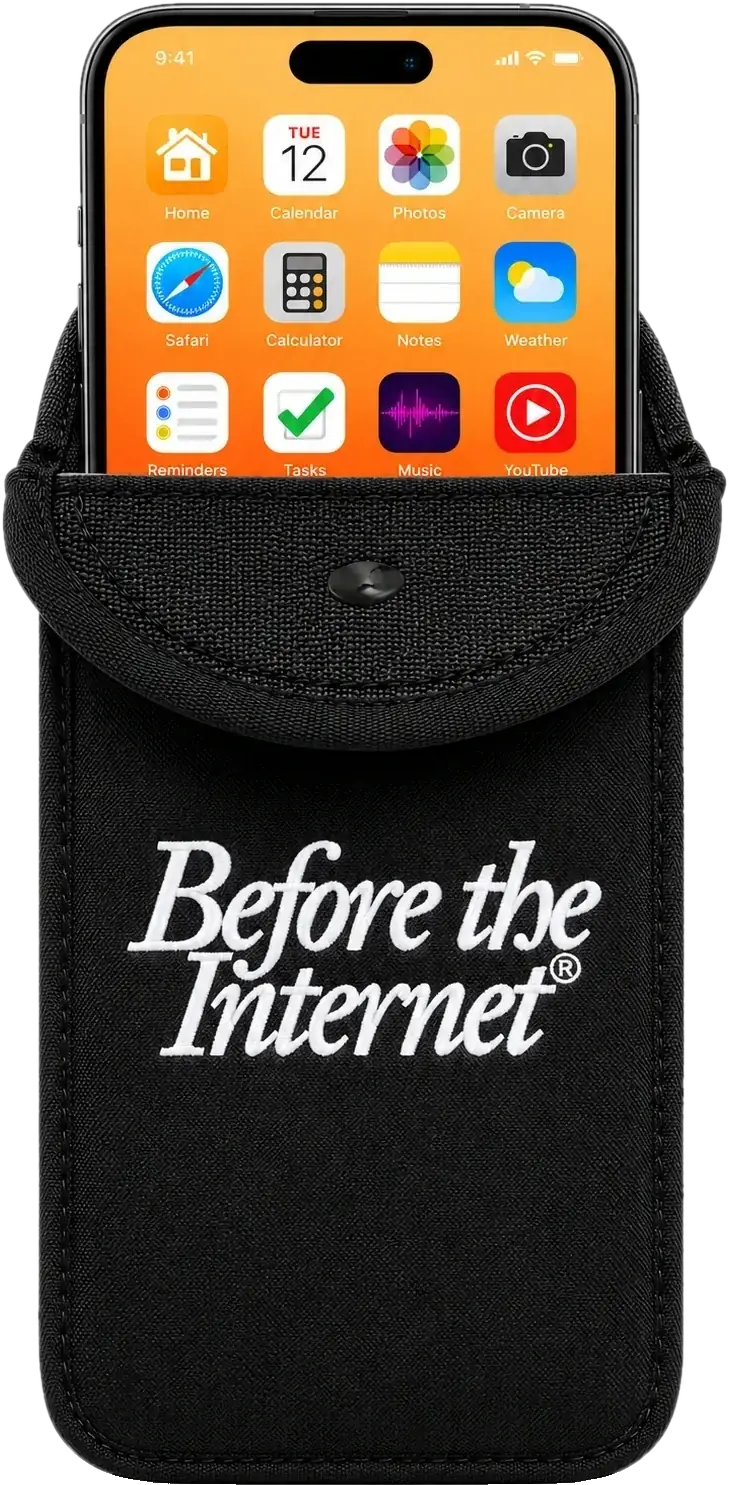
- Lockable pouches suit large secondaries where many pupils travel independently. The phone stays with the pupil, locked, and is unlocked at the exit. In September 2026, 60% of secondary teachers whose schools stored phones said they used pouches (Tes).
- Collection at the start of the day is cheap to buy but takes staff time twice a day and makes the school responsible for the phones.
- Lockers work where there is space for one per pupil, which is rare.
- No phones on site, or simple phones only, removes storage entirely but depends on strong parent support.
For costs and funding, including a worked budget for a 1,000-pupil school, see our guide to what phone pouches cost UK schools. For the evidence on whether pouches work, see lockable phone pouches for schools: evidence and costs.
What are the steps to roll out a phone-free school?
- Audit what is really happening. Ask staff and pupils anonymously where and when phones are used. One of the DfE case-study schools moved to pouches after spotting signs of hidden use, such as more pupils leaving lessons.
- Choose the method and check the logistics. Count entrances, exits and staff available at the start and end of the day. Decide how sixth form, trips, clubs and boarding will work.
- Consult parents and pupils. The DfE recommends consulting before you decide how to introduce or change the policy. See the next section.
- Take it to governors or the trust board. Bring the draft policy, the budget, the exemptions process and the consultation results.
- Write and publish the policy. Cover every part of the day, sanctions, searching, confiscation, exemptions, how parents reach their child, and staff use of phones.
- Buy and prepare. If you use pouches or lockers, order early enough for delivery and a trial. Plan where unlocking bases or collection points go.
- Brief every member of staff. Consistency is what inspectors check. Agree exactly what staff say and do when they see a phone.
- Run trial days or weeks. The DfE suggests trial days "before enforcing a new policy to support every pupil to meet the expectations".
- Launch, then enforce from day one. Many schools start with a new Year 7 or after a holiday so the change feels like a fresh start.
- Review after a term. Compare behaviour incidents, removals, online safeguarding incidents and attendance with the same term last year, and report back to parents.
How should you consult and write to parents?
The DfE's guidance on communicating with parents lists six tips for introducing or changing a policy: consult parents and pupils, inform everyone well in advance, use trial days, use several channels, explain the benefits, and talk directly with parents of pupils who may need an adjustment. It also gives figures you can use, such as the National Behaviour Survey finding that 58% of secondary pupils (65% at key stage 4) report phones being used without permission in at least some lessons.
Parents are often more supportive than leaders expect. At St Luke's Church of England School in Exeter, 92% of parents of incoming Year 7 pupils supported introducing pouches (Tes). The usual concern is the journey home, so answer it directly.
What to put in the consultation letter
- Why. The statutory guidance, the change due in September 2027 and what you see in your own school.
- What will change. The storage method, when phones are locked away and when they are returned.
- Safety. How pupils will have their phone for the journey home, and that in an emergency parents contact the school office, which will get a message to their child.
- Exemptions. That pupils with medical, SEND or caring needs will have an individual plan, and who to contact.
- Cost. Who pays for any pouch or replacement, and support for families who can't.
- Sanctions. What happens if a phone is seen or heard.
- How to respond. A short survey or reply form and a closing date, plus a parents' information evening.
Before The Internet includes parent letter templates, signage and a staff briefing guide with school orders.
How do SEND and medical exemptions work?
This is the part of the policy most likely to cause problems if it is left vague. The guidance is specific:
- Disability. Under the Equality Act 2010, allowing a disabled pupil access to their phone, where it is necessary because of their disability, "may be considered a reasonable adjustment and a failure to do so may be a breach of the school's duty".
- Medical conditions. Maintained schools and academies must support pupils with medical conditions. The guidance gives the example of a pupil with diabetes using a glucose monitor linked to their phone, and says that where phone use helps manage a condition, "it would not be reasonable for a school to prevent this".
- Other circumstances. Schools should allow flexibility for pupils whose circumstances at home require it, for example through a young carers policy.
Flexibility does not mean a blanket exemption. The DfE says schools should let these pupils use their phone "for a specific purpose at specific times and locations, for example, in a Head of Year's office". In practice, schools write a short individual plan, agreed with the family, setting out what the phone is for, where it is kept and who supervises its use. One DfE case-study primary had a member of staff manage a diabetic pupil's phone and explained the exemption to classmates. Tes reports that some pouch suppliers offer medical pouches that close with Velcro instead of a lock.
How do you enforce the policy?
The guidance gives schools clear powers. Staff can confiscate phones as a sanction, and "the law protects staff from liability" for loss or damage to confiscated items, provided they act lawfully. Headteachers are "backed by DfE to confiscate mobile phones and similar devices, if they consider it proportionate, for whatever length of time they deem proportionate", taking into account the pupil's age and SEND. Heads and authorised staff can also search for phones if the behaviour policy lists them as an item that may be searched for (DfE).
Schools that run pouches successfully tend to make the sanction meaningful and consistent. Ernulf Academy in St Neots confiscates a phone seen outside its pouch for seven days, because a same-day return looked "low-risk and high-reward" to pupils (Tes). At Tarleton Academy in Lancashire, the head told Tes that within a week one pupil smashed their own phone trying to force a pouch, "the message got out very quickly", and he could "count on one hand" the pupils who have tried since (Tes).
Two safeguards to build in. First, the guidance says a phone incident can be a sign that a pupil is at risk of harm, in which case staff should follow the child protection policy and involve the designated safeguarding lead. Second, pupils must still be able to reach their phone when they need to show a teacher something that happened online.
What is a realistic timeline to September 2027?
| When | What to do |
|---|---|
| Autumn term 2026 | Audit current use; choose a method; get quotes and a sample; check for local funding |
| January to February 2027 | Consult parents and pupils; draft the policy and exemptions process |
| March 2027 | Governors or trust board approve policy and budget; place the order |
| April to May 2027 | Brief staff; write individual plans for pupils who need adjustments; send the final letter home |
| June to July 2027 | Trial days or weeks; include the policy in Year 7 transition events |
| September 2027 | Full launch; enforce consistently from day one |
| December 2027 | Review the first term's data and report to governors and parents |
Schools that want to start sooner can compress this into a term and launch in January or after Easter, as the DfE is encouraging. Allow extra time if you want your crest printed on pouches; at Before The Internet that adds about six weeks.
Frequently asked questions
Is a phone ban a legal requirement for schools in England?
The DfE's mobile phones guidance became statutory on 29 June 2026, so schools must follow it or be able to justify any departure from it. It expects schools to be phone-free by default for the whole day. It does not require a particular storage method.
Is "not seen, not heard" still allowed?
Under the current guidance, heads decide the method, so a "not seen, not heard" policy can comply if pupils genuinely don't use phones during the day. From September 2027, strengthened guidance will tell schools to go beyond "not seen, not heard" and keep phones inaccessible, for example in pouches, lockers or collection.
Does Ofsted check phone policies?
Yes. Inspectors discuss the policy with leaders, check how it is communicated and how consistently it is followed, and look at its impact on learning, behaviour and wellbeing. Where a school does not follow the guidance, they explore the impact of phones on behaviour, safety and wellbeing.
Can a pupil with diabetes keep their phone?
Yes. Where a pupil uses their phone to manage a medical condition, such as a glucose monitor linked to the phone, the DfE says it would not be reasonable to prevent this. Schools should agree an individual plan setting out when and where the phone is used.
How long can a school confiscate a phone?
The DfE backs headteachers to confiscate phones for whatever length of time they judge proportionate, taking into account the pupil's age and any SEND. Some schools using pouches confiscate for a week.
How do parents reach their child during the day?
Through the school office. The DfE guidance says parents should be directed to the office, and staff should know how to pass on messages and arrange contact when it is needed.
The bottom line
The rules now expect a phone-free day, and from September 2027 they will expect phones to be out of reach, not just out of sight. Schools that do well start early, consult properly, write exemptions that are specific, brief every member of staff and enforce the same way in every corridor. The storage method matters less than doing those things consistently.
If you choose pouches, Before The Internet can quote for your school, with parent letter templates, signage and a staff briefing guide included. Read our UK cost and funding guide, see how London schools are handling the change, or visit our phone-free schools page.
About the authors: Before The Internet is a Toronto-based supplier of lockable phone pouches to schools and events in the UK, Ireland, Europe and Canada. Our guides are researched by the team from primary sources (government guidance and research papers) and established news outlets. We correct errors when readers point them out.
Sources
- Department for Education, Mobile phones in schools, statutory from 29 June 2026.
- Department for Education, Communicating your policy to parents, 2026.
- Department for Education, Creating a mobile phone-free environment: school case studies, 2026.
- Department for Education, Strengthened guidance to take the next leap to phone-free schools, 10 November 2026.
- Department for Education, Government to drive action to improve children's relationship with mobile phones and social media.
- Ofsted, What the government's updated guidance on mobile phones means for school inspections, 23 January 2026.
- Schools Week, Ministers to change mobile phones in schools guidance…again, 9 November 2026.
- Tes, Surge in secondaries using lockable pouches for phones, 16 September 2026.
- Tes, Why phone pouches are on the rise in schools, 14 January 2026.
Planning your rollout?
Send your pupil numbers and target start date. A person replies within 24 hours with a quote, and every school order includes parent letter templates, signage and a staff briefing guide.